
Streams and Rivers
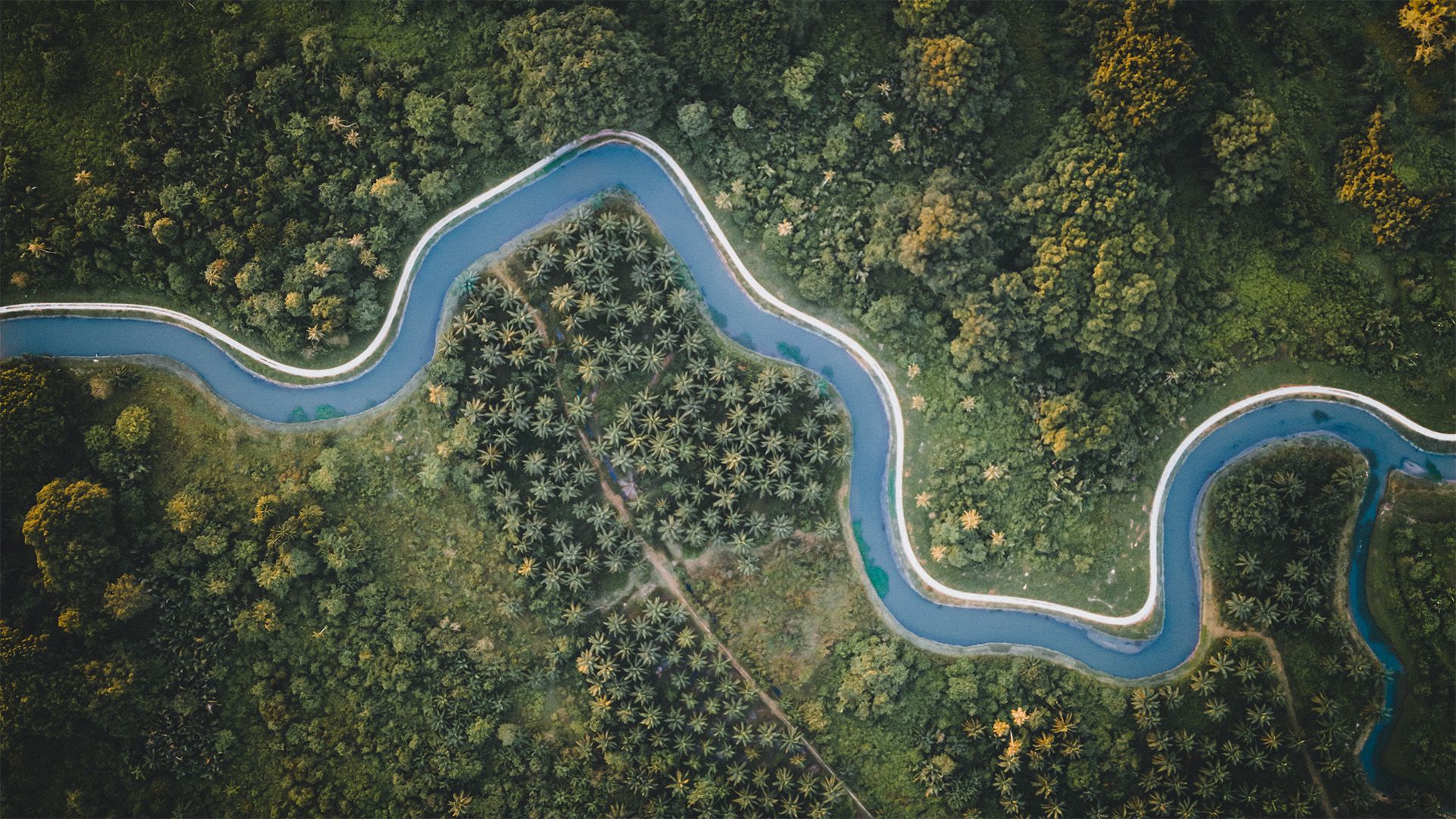
Streams and Rivers: A Journey from Source to Sea
Streams and rivers are dynamic systems of flowing freshwater moving in a single direction. They can be found across every continent, originating in headwaters—which may be fed by underground springs, melting snowpack, or overflowing lakes. From these high-elevation starts, they travel vast distances toward their mouths, eventually emptying into larger rivers, lakes, or the ocean.
The River Gradient
As water moves downstream, its physical and chemical properties shift significantly:
The Source: Near the headwaters, the water is typically cooler, clearer, and highly oxygenated. Here, you find species adapted to cold, fast-moving water, such as trout and specialized macroinvertebrates like stonefly larvae.
The Middle Reach: As the river moves toward the middle, its width increases and the canopy often opens up, allowing more sunlight to reach the water. This leads to an increase in species diversity, supporting numerous aquatic plants and algae.
The Mouth: Toward the mouth, the water slows down and becomes murky (turbid) from accumulated sediment. This silt decreases light penetration, which limits the diversity of rooted flora. Because these slower waters often hold less dissolved oxygen, you’ll find hardy fish species like catfish and carp.
What lives here?
Rivers are complex ecosystems. At the base of the food web are microscopic organisms and organic "detritus" (shredded leaves from upstream). Insects feed on this material and are, in turn, consumed by fish. These fish support a variety of predators, including birds, otters, and reptiles. A classic example of a river-dwelling predator in the United States is the Alligator Snapping Turtle, a prehistoric-looking reptile that uses a lure on its tongue to catch prey.
Meandering Rivers
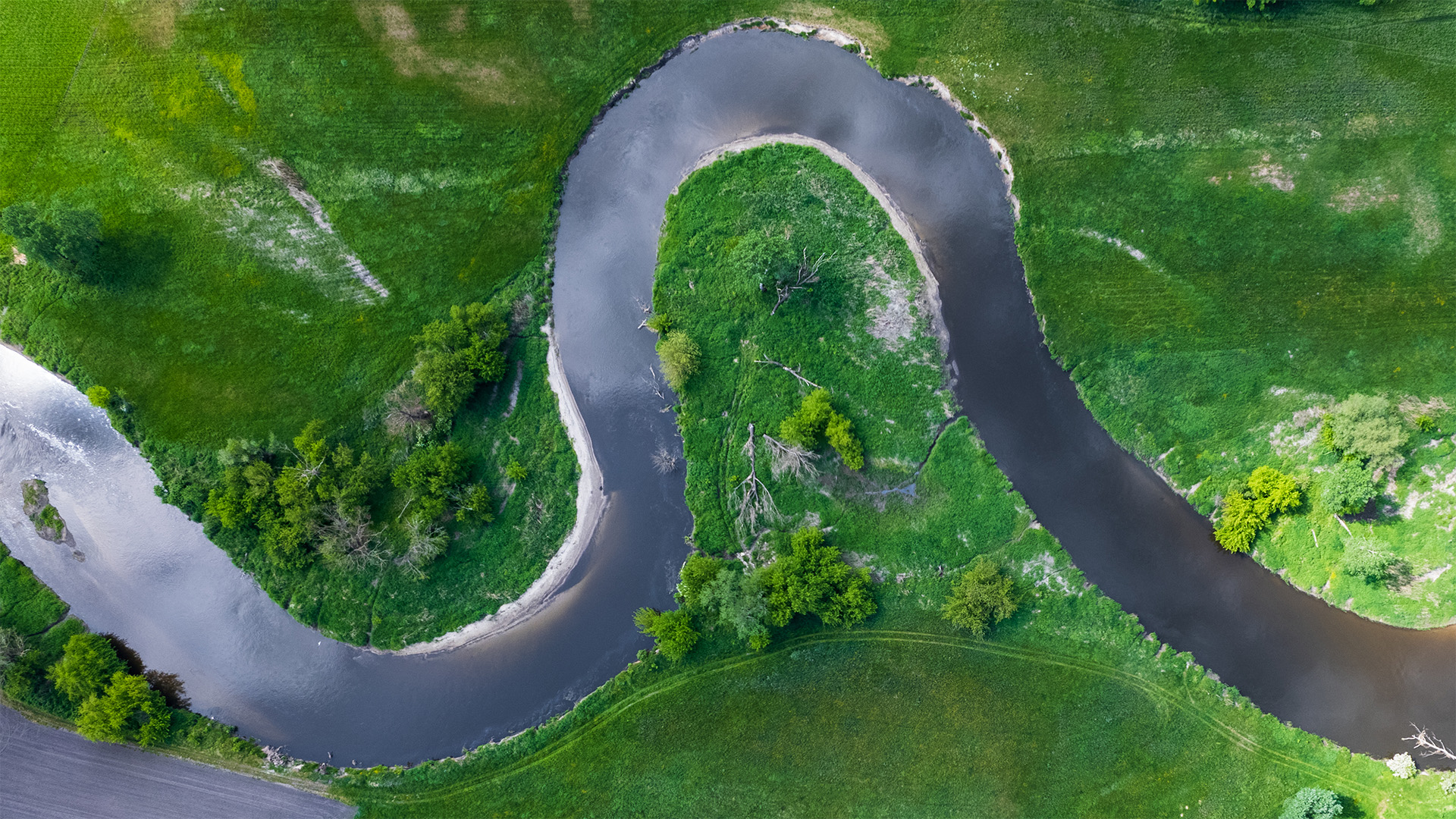
Rivers are not static; they are constantly reshaping the landscape through erosion and deposition. As a river bends, the water on the outside of the curve flows faster, eroding the bank. Conversely, water on the inside of the bend moves slower, allowing sediment to settle and deposit.
Over time, this process creates dramatic loops. Occasionally, a river will cut through the narrow neck of a loop to take a shorter, straighter course. The abandoned loop is eventually cut off from the main channel, forming a crescent-shaped body of water known as an oxbow lake.
Species Highlight: West Indian Manatee
One of the largest North American mammals found in coastal rivers and spring-fed streams is the West Indian Manatee. In Florida, the local subspecies is known as the Florida Manatee. These gentle giants are primarily herbivores, grazing on seagrasses and aquatic vegetation. During the colder months, they often congregate in the constant, relatively warm temperatures of springs like Homosassa Springs.