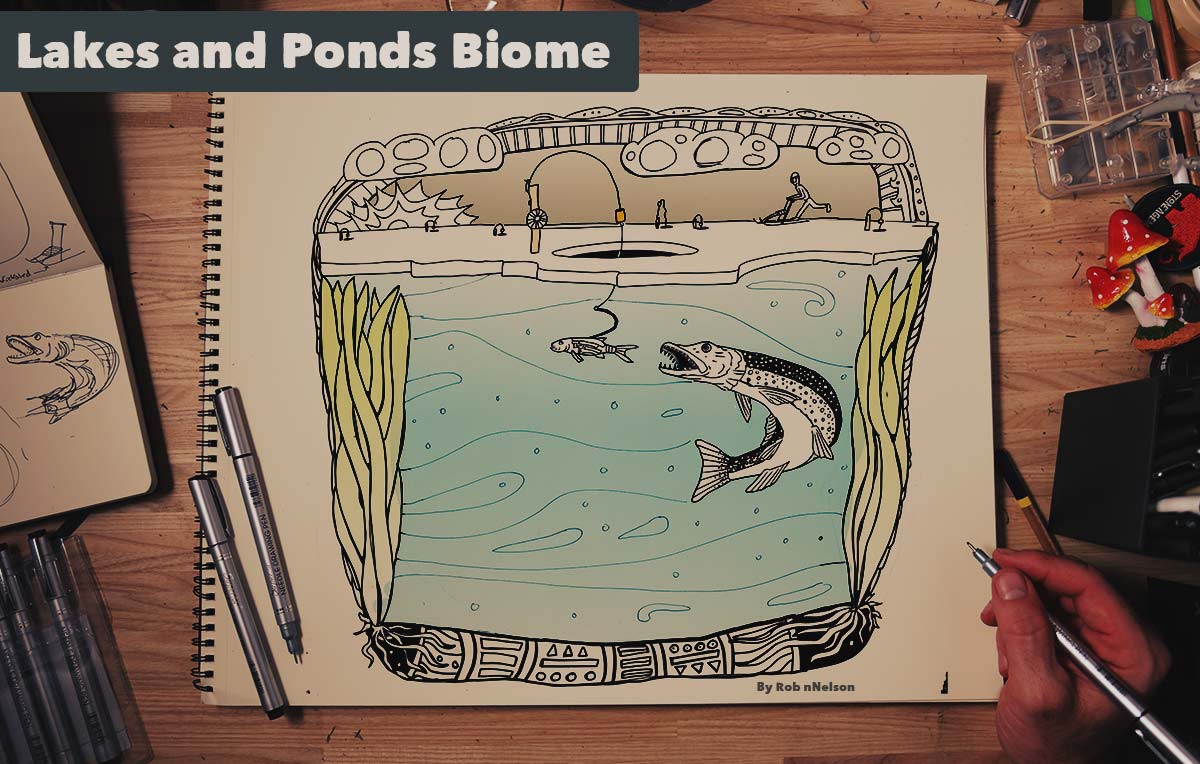
Lakes and Ponds
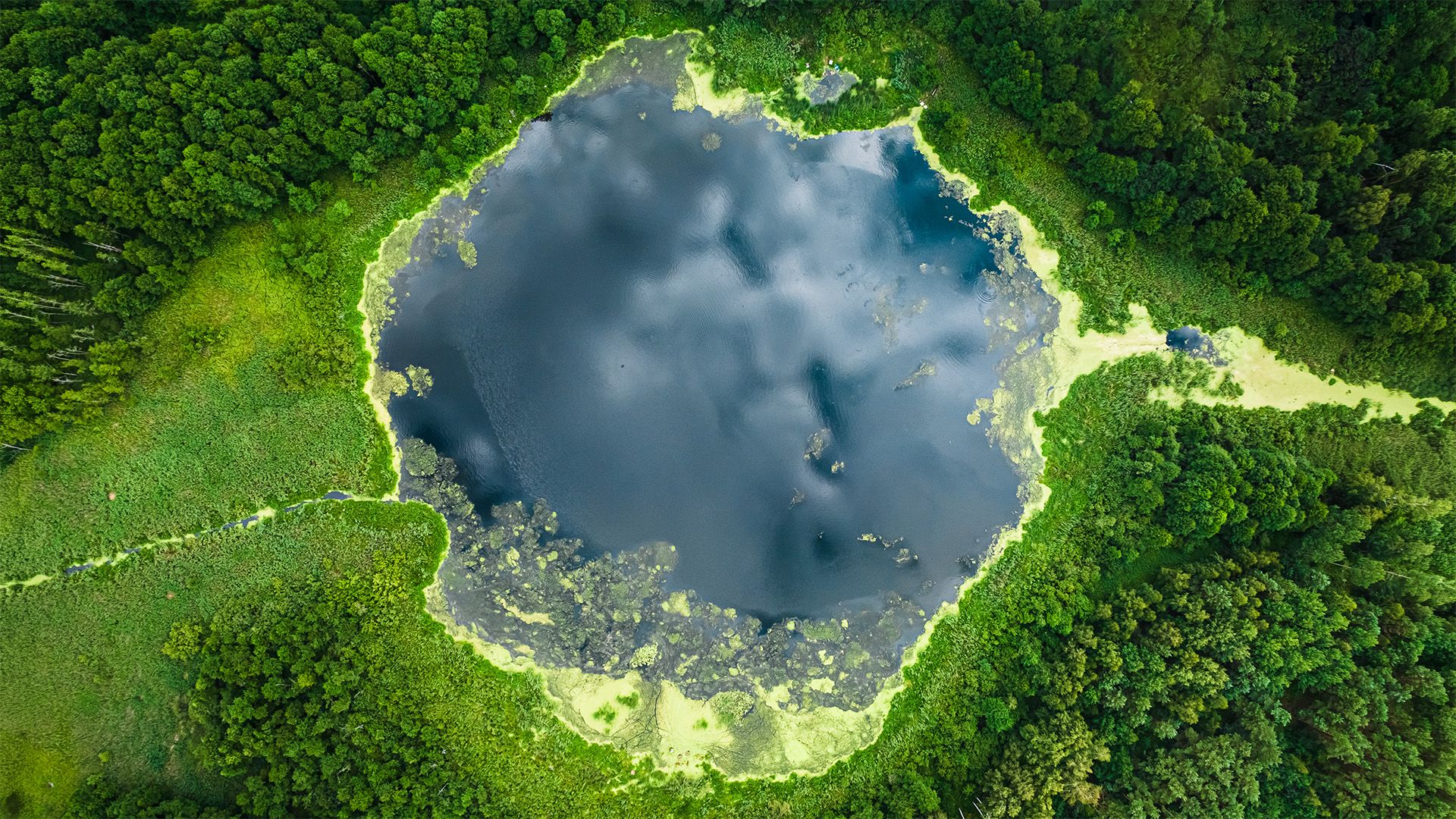
Lakes and ponds are freshwater systems classified as lentic ecosystems, meaning they contain still or standing water. The scientific study of inland waters is called limnology, and researchers who study these systems are known as limnologists. Although lakes and ponds may appear simple at first glance, they are highly structured environments shaped by constant interaction between living organisms and physical conditions such as light, temperature, oxygen, nutrients, and depth.
Watch How Lakes and Ponds Cycle
A defining feature of lakes and ponds is their vertical zonation. These zones are determined primarily by depth and distance from the shoreline, and each supports distinct communities of life.
The littoral zone extends from the shoreline outward to the depth at which rooted plants can grow. Because this water is shallow, it absorbs more of the Sun’s heat and is typically the warmest part of the lake. Light easily penetrates to the bottom, allowing aquatic plants and algae to thrive. This zone supports the greatest biodiversity in the lake. Diatoms and other algae grow alongside rooted and floating plants, while snails, clams, aquatic insects, crustaceans, fish, and amphibians feed and reproduce among the vegetation. Many insects, including dragonflies and midges, spend their egg and larval stages in this nearshore habitat before emerging as flying adults. The abundance of life in the littoral zone attracts larger predators such as turtles, snakes, and waterfowl.
Beyond the littoral zone lies the limnetic zone, the open surface waters away from shore. This region is still well lit but lacks rooted plants because it is too deep for them to anchor. Instead, the limnetic zone is dominated by plankton. Phytoplankton, which are photosynthetic organisms, form the base of the food web by converting sunlight into energy. Zooplankton feed on phytoplankton and in turn become food for small fish, which are eaten by larger fish. Although plankton are microscopic and often overlooked, they drive primary production and support most of the biological activity in open water.
Below the limnetic zone is the profundal zone, the deeper water where light penetration is minimal. This region is colder and denser than surface waters and often contains lower concentrations of dissolved oxygen, especially in stratified summer conditions. Because photosynthesis cannot occur here, organisms rely on organic matter that sinks from above. When plankton and other organisms die, their remains settle into deeper water, where decomposers and other heterotrophs break them down. This process plays an essential role in nutrient cycling within the lake.
At the very bottom lies the benthic zone, consisting of the sediment surface and sub-surface layers. This habitat supports worms, insect larvae, bacteria, and fungi. Decomposition is especially active here, and nutrients released from sediments may eventually return to upper layers during seasonal mixing.
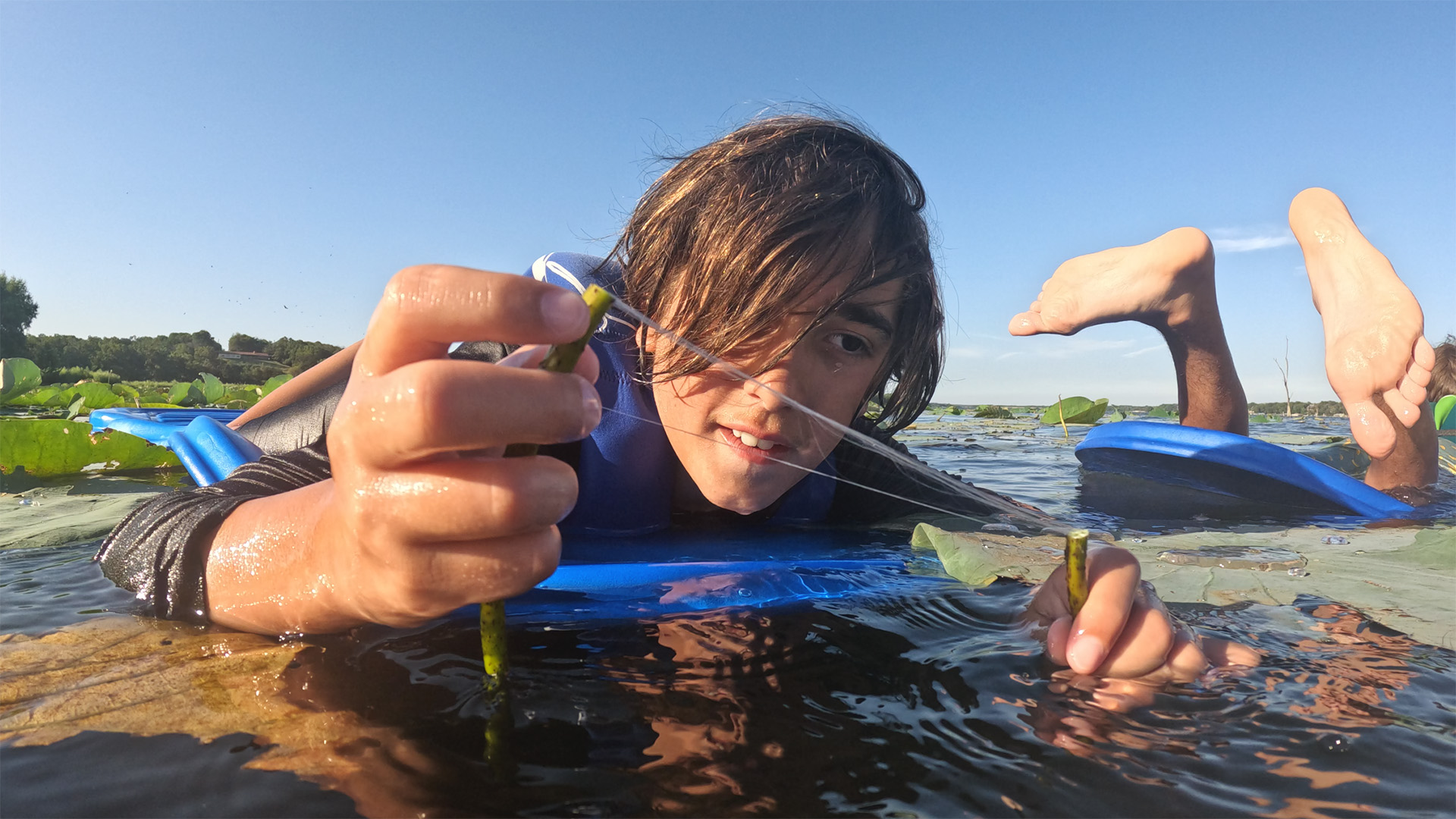
Temperature strongly influences how these zones function. During the summer in temperate regions, lakes often become stratified. The warm surface layer, called the epilimnion, may reach temperatures around 22 degrees Celsius, while the deeper hypolimnion remains near 4 degrees Celsius. Separating these layers is the thermocline, a narrow band where temperature changes rapidly with depth. This layering restricts mixing, limiting the movement of oxygen to deeper waters.
In winter, surface water may freeze at 0 degrees Celsius while deeper water remains near 4 degrees Celsius. Ice acts as an insulating layer, reducing heat loss and limiting gas exchange with the atmosphere. In spring and fall, however, surface waters cool or warm to match deeper temperatures. Wind-driven mixing then circulates oxygen and nutrients throughout the lake in a process known as turnover. During these periods, the water column often stabilizes at roughly 4 degrees Celsius, the temperature at which freshwater is most dense.
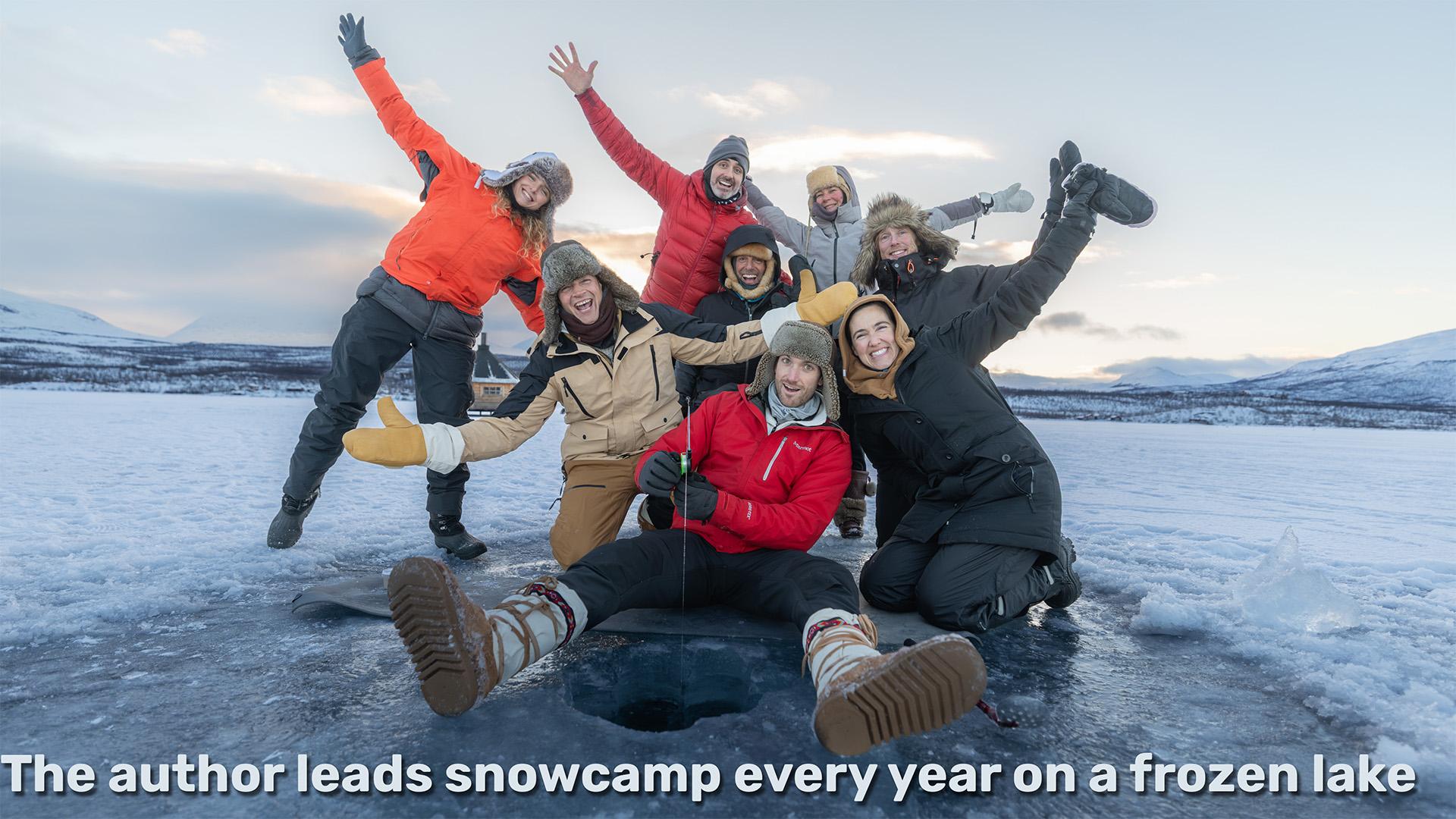
Lakes and ponds vary dramatically in size, from small seasonal pools that last only a few months to large lakes covering thousands of square kilometers. Many northern lakes formed during the Pleistocene glaciation, when retreating glaciers carved basins that later filled with water. Because lakes and ponds are often isolated from one another, species diversity may be lower than in connected river systems. At the same time, isolation can lead to unique adaptations and, in some cases, endemic species found nowhere else.
Together, these physical and biological processes make lakes and ponds dynamic freshwater ecosystems. Their structure, seasonal patterns, and nutrient cycles shape the communities that depend on them and sustain life well beyond their shorelines.